Brake repairs on the Gold Coast often begin with a warning sign such as squealing, grinding, vibration or a change in brake pedal feel. These symptoms can indicate worn brake pads or discs, but they may also involve hydraulic faults, sticking callipers or problems with electronic braking systems.
Not every brake noise means parts need replacing. However, changes in stopping performance should not be ignored, particularly if the pedal becomes unusually soft, the vehicle pulls sharply to one side or the brakes no longer respond as expected. Some faults require routine maintenance, while others can make the vehicle unsafe to drive.
Knowing what these symptoms mean can help you decide when to arrange an inspection and when to stop driving. Here are seven signs that your car’s brakes need attention, the possible causes and what to do next.
1. Squealing or Squeaking Noises When Braking
A high-pitched squealing or squeaking noise when applying the brakes can be an early indication of brake pad wear. Many disc brake pads have a metal wear indicator that contacts the brake disc when the friction material reaches a certain level. This contact produces a noise intended to alert the driver that the pads need inspecting.
However, squealing does not automatically mean the brake pads need replacing. Brake noise can also result from dust or debris, moisture on the discs, glazed pad surfaces, worn hardware or vibration between components.
Other possible causes include:
- Dust or debris between braking components
- Moisture or light surface corrosion on brake discs
- Glazed brake pad surfaces
- Brake pad vibration
- Incorrectly fitted or worn brake hardware
- Characteristics of certain brake pad materials
Occasional squeaking after rain or overnight parking may disappear once the brakes have been used. Persistent squealing, particularly when it becomes more frequent or occurs alongside changes in braking performance, deserves closer attention.
If the noise continues during normal driving, arrange a brake inspection rather than assuming it is harmless. A mechanic can assess the pad thickness, disc condition and associated hardware to identify the cause.
2. Grinding Noises When Applying the Brakes
Grinding during braking is a concerning symptom because it can indicate significant component wear or damage. One possible cause is brake pads that have worn through their friction material, allowing the metal backing plate to contact the brake disc.
This metal-to-metal contact can score the disc surface and affect braking performance. If the damage is extensive, repairs may require replacement of both the pads and discs rather than the pads alone.
Grinding can also result from trapped debris, damaged brake hardware or other mechanical problems. The sound itself does not identify the exact fault, so the affected components need to be inspected before repairs are recommended.
Persistent grinding should receive prompt attention, especially if the vehicle also takes longer to stop or behaves unusually during braking. If you suspect the brakes are unsafe, avoid further driving and arrange appropriate assistance or vehicle transport.
3. Your Car Takes Longer to Stop
A noticeable reduction in braking performance can indicate a problem affecting the pads, discs, hydraulic system or other components. You may find that the vehicle takes longer than usual to stop or requires greater pedal pressure to achieve the same braking response.
Possible causes include:
- Worn or contaminated brake pads
- Overheated braking components
- Brake fluid problems
- Hydraulic system faults
- Damaged brake discs
- Brake calliper problems
Tyre condition, road surfaces and weather also influence stopping distances. Wet roads and heavy traffic make reliable braking especially important, but a change in your vehicle’s normal braking response should not be dismissed as a result of driving conditions alone.
A mechanic may need to inspect the pads, discs, hydraulic components and tyres to determine why stopping performance has changed. Replacing brake pads without identifying the cause may not resolve the problem.
Any unexplained reduction in braking effectiveness needs prompt assessment. If your vehicle cannot stop reliably, do not continue driving; stop safely and arrange assistance.
4. Vibrations or Shaking When Braking
Vibration through the brake pedal or steering wheel during braking can indicate uneven braking forces or problems with rotating components. One possible cause is variation in brake disc thickness or uneven deposits of friction material on the disc surface, which can affect braking force as the disc rotates.
You may notice:
- Pulsation through the brake pedal
- Steering wheel vibration when slowing down
- Shaking that becomes more noticeable during braking
- Uneven or inconsistent braking response
These symptoms do not always originate from the brake discs. Wheel, tyre, suspension and steering problems can also produce vibration, so identifying when and how it occurs can help a mechanic narrow down the cause.
The mechanic may inspect the discs, pads, callipers and related components. Some disc surface problems can be corrected through machining where manufacturer specifications permit, while excessive wear, cracking or other damage may require replacement.
If vibration consistently occurs when you brake, arrange an inspection before it becomes more pronounced. Unstable braking or vibration accompanied by reduced stopping performance requires more urgent attention.
5. A Soft, Spongy or Unusual Brake Pedal
Your brake pedal should respond consistently when pressed. If it suddenly feels unusually soft or spongy, travels farther than normal or slowly sinks under steady pressure, the vehicle may have a problem with its hydraulic braking system.
Possible causes include:
- Air in the hydraulic brake system
- Brake fluid leaks
- Deteriorated brake hoses
- Master cylinder problems
- Other hydraulic system faults
Brake fluid transfers hydraulic pressure through the braking system when the pedal is pressed. Air, leakage or component failure can interfere with that process and reduce braking effectiveness.
A soft pedal is not a reliable indication that the brake pads alone need replacing. The mechanic may need to inspect fluid levels, hydraulic lines, hoses and related components to determine the cause.
A sudden change in pedal feel, a pedal that sinks towards the floor or a significant loss of braking response requires urgent attention. Stop the vehicle as soon as it is safe and arrange professional assistance rather than attempting to continue driving.
6. Your Car Pulls to One Side When Braking
A vehicle that pulls noticeably left or right during braking may have uneven braking forces between its wheels. A sticking brake calliper, for example, can prevent a brake pad from applying or releasing correctly, causing one wheel to respond differently from the other.
Other possible causes include uneven pad wear, contaminated braking components, hydraulic problems, tyre condition and suspension or steering faults. Because several systems can produce similar symptoms, the mechanic may need to inspect more than the brakes.
Pulling can also occur during normal driving for reasons unrelated to the braking system. Incorrect wheel alignment, uneven tyre pressures and suspension problems may affect how the vehicle tracks along the road.
Pay attention to whether the pulling occurs only when the brakes are applied or continues during normal driving. This distinction can help the mechanic investigate the problem.
If your vehicle changes direction unexpectedly when braking, arrange an assessment. Severe pulling or unstable braking can make the vehicle unsafe, particularly during sudden stops or on wet roads.
7. Your Brake Warning Light Appears
Modern vehicles use dashboard warning lights to alert drivers to certain braking system conditions. Depending on the vehicle, these may include a general brake system warning, an anti-lock braking system (ABS) warning or an electronic brake pad wear indicator.
A brake warning light can have several possible explanations:
- Low brake fluid levels
- Parking brake engagement
- Electronic brake pad wear detection
- Hydraulic system faults
- ABS sensor or control system problems
- Other brake-related electronic faults
The meaning depends on the warning symbol and the manufacturer’s system. A brake pad wear indicator generally relates to pad condition, while an ABS warning may indicate an electrical, sensor or control-system problem rather than worn pads.
Some vehicles also illuminate a general brake warning when the parking brake is engaged. If the warning remains illuminated after confirming that the parking brake is released, consult the owner’s manual and arrange an appropriate inspection.
An unexplained red brake system warning requires particular caution, especially when accompanied by fluid loss, poor braking performance or unusual pedal behaviour. Stop safely and avoid further driving when the symptoms suggest the braking system may not operate reliably.
How Often Do Brake Pads Need Replacing?
Brake pad replacement intervals vary considerably between vehicles, brake designs and driving conditions. There is no fixed distance at which every vehicle needs new pads, and the amount of wear does not always correspond directly with kilometres travelled.
Several factors influence brake pad life:
- Driving habits and braking frequency
- Vehicle weight and load
- Brake pad material and design
- Traffic conditions
- Towing requirements
- Terrain and road conditions
- Brake calliper condition
Frequent braking in urban traffic can increase wear compared with driving that involves fewer stops. Gold Coast drivers regularly travelling through busy areas such as Southport, Robina, Nerang and Burleigh Heads may experience different wear patterns depending on their routes and driving habits.
A physical inspection is the most reliable way to assess brake pad condition. The mechanic can measure the remaining friction material and compare it with the manufacturer’s minimum specifications.
Pad thickness is not the only consideration, however. Uneven wear, contamination, damaged hardware or a sticking calliper may also affect whether the components remain suitable for use.
What Is the Difference Between Brake Pads and Brake Discs?
Brake pads and discs work together to slow a vehicle. When the brakes are applied, the callipers press the pads against the rotating discs, creating friction that converts the vehicle’s movement into heat.
Both components are subject to wear, although they do not necessarily need replacing at the same time. The hydraulic system and associated components also play an important role in how the brakes operate.
| Component | Function | Common reasons for repair or replacement |
| Brake pads | Apply friction to the brake disc | Worn friction material, contamination or damage |
| Brake discs | Provide the braking surface | Excessive wear, damage or thickness variation |
| Brake callipers | Apply and release braking force | Seized components, leaks or mechanical faults |
| Brake fluid | Transfers hydraulic braking pressure | Scheduled replacement or contamination |
| Brake hoses | Carry hydraulic fluid to braking components | Leakage, deterioration or damage |
Brake pads generally require replacement more frequently than discs, but the condition of both should be checked during repairs. Installing new pads against damaged or excessively worn discs can affect braking performance and contribute to further problems.
A professional inspection helps determine which components need attention and whether the proposed repair meets the manufacturer’s requirements.
Can You Replace Brake Pads Without Replacing the Discs?
In many cases, brake pads can be replaced while the existing discs remain in service. This depends on the discs’ condition, thickness and surface characteristics, together with the manufacturer’s specifications.
Before installing new pads, a mechanic should inspect the discs for excessive wear, cracking, damage and other conditions that could affect braking. Disc thickness should also be checked against the manufacturer’s minimum allowable measurement.
If a disc is below the specified minimum thickness or has damage that makes continued use unsuitable, it needs replacing. Certain surface problems may be corrected through machining where permitted, but machining is not appropriate for every disc or type of damage.
Replacing pads without assessing the discs may lead to noise, poor braking response or premature component wear. The mechanic should explain the condition of the existing discs before recommending whether they can remain in service.
What Happens During a Professional Brake Inspection?
A professional brake inspection helps identify which components are worn, damaged or operating incorrectly. The extent of the checks depends on the symptoms, vehicle design and whether additional testing is required.
Brake Pad Thickness
The mechanic examines or measures the remaining friction material and compares it with the manufacturer’s specifications. They should also look for uneven wear that may indicate sticking components or other mechanical problems.
Brake Disc Condition
Brake discs are inspected for wear, damage, cracking and surface problems. Where appropriate, the mechanic may measure disc thickness to determine whether the components remain within the manufacturer’s limits.
Brake Calliper Operation
Accessible calliper components are checked for signs of sticking, leakage or uneven operation. A calliper that does not apply or release correctly can contribute to overheating, uneven pad wear and changes in braking performance.
Brake Fluid and Hydraulic System
The mechanic checks accessible fluid reservoirs, hoses, lines and related hydraulic components for visible leakage or deterioration. Unusual pedal behaviour may require additional hydraulic testing to identify the cause.
Electronic Brake System Checks
Where relevant, dashboard warnings and diagnostic trouble codes may be investigated using suitable equipment. Electronic testing can help identify faults involving ABS sensors or control systems, but it does not replace physical inspection of the brakes.
Additional Testing
A controlled road test or further mechanical testing may be appropriate when the vehicle can be operated safely. The mechanic should explain the findings and recommend repairs based on the identified faults rather than replacing components without a clear reason.
Certified Automotive provides vehicle repairs and diagnostics for Gold Coast drivers experiencing brake and other mechanical problems. Its published services include brake repairs, disc brake repairs and brake fluid servicing.
Can a Mobile Mechanic Replace Brake Pads?
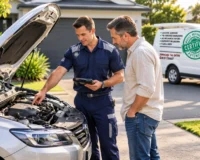
Some brake inspections and repairs can be completed by a qualified mobile mechanic at a customer’s home or workplace. Mobile brake repairs may be appropriate when the vehicle, replacement parts, equipment and working conditions allow the job to be completed safely.
Depending on the vehicle, a mobile mechanic may be able to inspect the braking system, replace brake pads or carry out selected repairs. More complex work may require workshop facilities, specialised equipment or additional diagnostic procedures.
Certified Automotive offers mobile brake repairs on the Gold Coast and can attend suitable customer locations with mobile workshop equipment. The business also provides broader mobile mechanic services for vehicle servicing and mechanical repairs.
When arranging an appointment, provide the vehicle’s make, model and year, together with a description of the symptoms. The mechanic can then advise whether the work is suitable for a mobile visit or requires workshop attention.
If the brakes are performing poorly or the vehicle appears unsafe, do not drive it to meet the mechanic. Explain the situation when booking so appropriate assistance can be arranged.
How Much Do Brake Repairs Cost on the Gold Coast?
Brake repair costs depend on the vehicle, the affected components and the work required. A straightforward brake pad replacement generally involves different labour and parts costs from repairs that also require discs, callipers or hydraulic components.
Several factors can affect the price:
- Vehicle make and model
- Front or rear braking system
- Brake pad and disc specifications
- Replacement part requirements
- Labour time
- Additional diagnostic work
- Mobile or workshop servicing arrangements
Some vehicles use specialised braking components that affect parts availability and repair costs. Extensive corrosion, seized components or additional faults identified during inspection may also change the work required.
Before approving repairs, request a quote explaining which components need attention and what replacement parts are included. Ask whether the amount covers labour, GST and any additional testing required to confirm the fault.
The mechanic should explain unexpected problems found during the inspection and seek your approval before carrying out additional chargeable repairs. This helps you understand the work required rather than judging the quotation solely by its total price.
What Happens If You Ignore Worn Brakes?
Delaying repairs to worn or faulty brakes can increase component damage and create safety risks. Severely worn pads, for example, can damage the disc surface when the metal backing plate makes contact, potentially turning a pad replacement into a more extensive repair.
Maintenance costs can make it tempting to postpone repairs. In RACQ’s July 2025 research on Queensland vehicle maintenance, 32% of respondents in a survey of 510 people reported postponing essential car maintenance because of cost-of-living pressures. The research covered vehicle maintenance generally, rather than brake repairs specifically, but it highlights the financial pressure that can influence decisions about vehicle upkeep.
Other braking faults can cause uneven wear, excessive heat or changes in stopping performance. Hydraulic leaks and certain mechanical failures are particularly serious because they may reduce the driver’s ability to control or stop the vehicle.
The consequences depend on the fault and how far it has developed. A minor squeak caused by surface conditions is different from a sinking pedal or severe loss of braking performance, which may require immediate assistance.
If your braking performance has noticeably deteriorated, stop driving when it is safe and arrange professional assessment. Continuing to use a vehicle with unreliable brakes can put the driver, passengers and other road users at risk.
How Can You Help Your Brakes Last Longer?
Driving habits and regular maintenance can influence braking system wear. Allowing appropriate following distances and anticipating traffic conditions may reduce the need for frequent hard braking, while gradual deceleration can help limit unnecessary heat and component wear.
Vehicle load, terrain and road conditions also affect how hard the brakes need to work. Drivers who frequently tow or carry heavy loads should pay particular attention to the manufacturer’s servicing recommendations.
Regular vehicle servicing provides opportunities to inspect pad thickness, disc condition and related braking components. Unusual noises, vibration or changes in pedal feel should also be investigated rather than left until the next scheduled service.
Maintenance cannot prevent all component wear, but it can identify developing problems before they become more serious. Following the manufacturer’s inspection requirements and addressing faults promptly helps keep the braking system in suitable operating condition.
Frequently Asked Questions About Brake Repairs
How do I know if my brake pads need replacing?
Persistent squealing, grinding, unusual braking behaviour and electronic pad wear warnings can indicate that brake pads need attention. However, these symptoms can have other causes, so a mechanic should assess the pads and measure the remaining friction material before confirming replacement.
Can I drive with squeaky brakes?
Occasional squeaking may result from moisture or light surface corrosion and can disappear after the brakes are used. Persistent squealing should be inspected because it may indicate pad wear or another braking problem. If braking performance is affected, avoid further driving until the vehicle has been assessed.
What does it mean if my brakes grind?
Grinding can indicate severely worn brake pads, damaged components or trapped debris. If the pad backing plate is contacting the disc, continued use can cause further damage and affect braking performance. Persistent grinding should be assessed promptly, with vehicle transport arranged if driving is unsafe.
Do front brakes wear faster than rear brakes?
Front brakes often wear faster because they typically handle a larger proportion of the braking force during deceleration. However, the rate of wear depends on the vehicle’s design, braking system and driving conditions, so the front and rear components should be inspected individually.
Can a mobile mechanic replace brake pads at home?
Yes. Some mobile mechanics can replace brake pads at home when the vehicle, equipment and working conditions are suitable. The mechanic should confirm the repair requirements and whether additional workshop equipment is needed before the appointment.
How long does brake pad replacement take?
The time required depends on the vehicle’s brake design, the condition of the components and whether additional repairs are necessary. A straightforward pad replacement may take less time than a job involving damaged discs or seized callipers, so ask the mechanic for an estimated duration after the work has been assessed.
Are brake pads replaced in pairs?
Brake pads are generally replaced as a complete set across the same axle to maintain consistent braking performance. The mechanic should inspect both sides for uneven wear and investigate any difference that suggests a sticking calliper or another fault.
Does a brake warning light always mean worn brake pads?
No. A brake warning may relate to low fluid levels, parking brake engagement, ABS faults or other hydraulic and electronic system problems. The meaning depends on the warning symbol and vehicle manufacturer, so the light should be assessed alongside any changes in braking performance.
Request a Brake Inspection on the Gold Coast
Squealing, grinding, vibration and changes in brake pedal feel can indicate problems that need attention. Some faults require routine maintenance, while others may make the vehicle unsafe to drive, so identifying the cause is more useful than assuming the brake pads need replacing.
Certified Automotive provides brake repairs, mechanical inspections and diagnostic services across the Gold Coast, with mobile assistance for suitable jobs and workshop facilities in Mudgeeraba. The team can inspect the braking system, explain the findings and discuss the repairs needed for your vehicle.
When making an enquiry, provide your vehicle’s make, model and year, along with a description of the symptoms. Mention when the problem occurs and whether stopping performance or pedal feel has changed, as these details help the mechanic assess the urgency and appropriate inspection arrangements.
Contact Certified Automotive to discuss your brake concerns and request an inspection or repair quote.