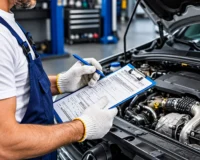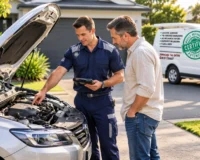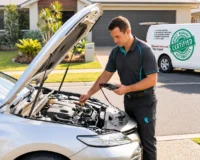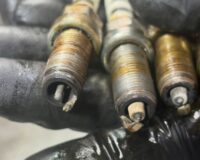
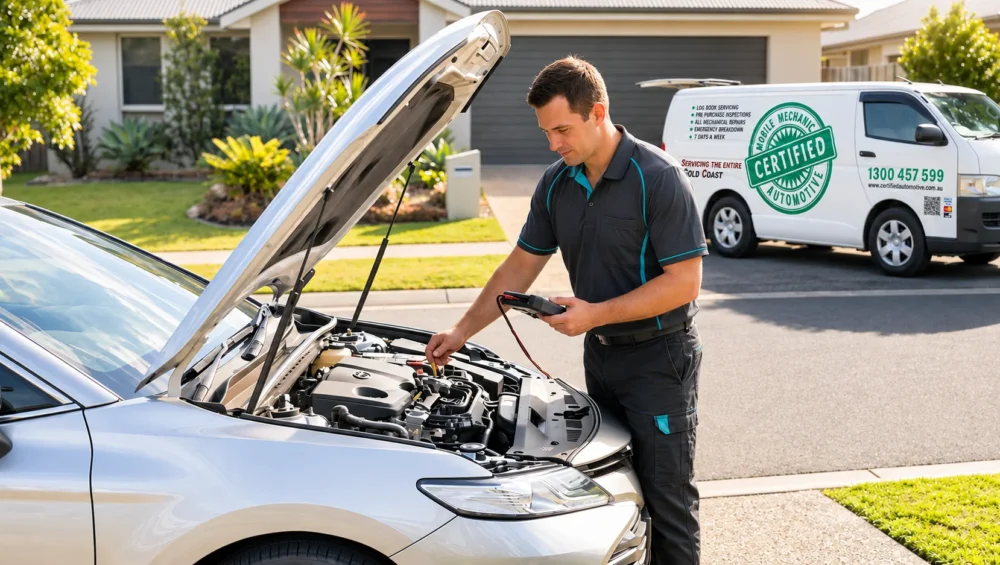
Mobile mechanic Gold Coast services bring routine vehicle servicing, diagnostics and selected repairs to your home, workplace or another suitable location. Instead of taking your car to a workshop, you can have many common mechanical problems inspected and repaired where the vehicle is parked. This can save you the inconvenience of arranging transport or leaving your vehicle at a workshop for routine maintenance.
A mobile mechanic can carry out oil and filter changes, investigate engine warning lights, test batteries, inspect brakes and complete various minor mechanical repairs. However, not every job can be completed on-site. Major engine work, complex transmission repairs and repairs requiring specialised lifting equipment are generally better suited to a workshop.
Understanding what mobile mechanics can and cannot do will help you decide which service is appropriate for your vehicle. This guide explains the services available, how appointments work, what affects pricing and when Gold Coast drivers should consider a traditional workshop.
What Is a Mobile Mechanic?
A mobile mechanic is a qualified automotive technician who travels to customers to inspect, service and repair vehicles. They bring suitable tools, diagnostic equipment and replacement parts to the location, allowing many maintenance and repair jobs to be completed without a workshop visit. Depending on their qualifications and equipment, mobile mechanics can work on passenger cars, SUVs, utes and light commercial vehicles.
Common mobile mechanic services include:
- Routine vehicle servicing and maintenance
- Engine diagnostics and warning light checks
- Battery testing and replacement
- Brake inspections and selected repairs
- Starting and charging system checks
- Minor mechanical and electrical repairs
- Pre-purchase vehicle inspections
- Breakdown assessments and assistance
For Gold Coast drivers, a mechanic who comes to your home or workplace can be particularly useful when a vehicle is due for servicing, has developed a fault or is difficult to start. The work available depends on the vehicle’s condition, the equipment required and whether the repair can be completed safely at the chosen location.
What Can a Mobile Mechanic Fix or Service?
Many everyday maintenance tasks and mechanical repairs can be completed outside a traditional workshop. The following services are commonly available from mobile mechanics, although the exact work offered varies between providers.
1. General Car Servicing and Maintenance
Regular servicing helps maintain vehicle reliability and allows developing mechanical problems to be identified before they lead to more expensive repairs. A mobile mechanic can perform many of the same routine maintenance tasks completed during a standard workshop service, provided the necessary equipment and working conditions are available.
Common tasks include engine oil and filter changes, fluid inspections, air filter replacement, battery checks and general mechanical inspections. Depending on the vehicle’s service schedule, the mechanic may also inspect belts, hoses, brakes, tyres and other accessible components to identify wear or maintenance requirements.
Mobile car servicing is particularly practical for drivers who rely on their vehicles for daily travel and find it difficult to arrange a workshop visit. Qualified mobile mechanics can also carry out logbook servicing when they have the necessary equipment and follow the manufacturer’s maintenance requirements.
2. Engine Diagnostics and Warning Light Checks
Modern vehicles rely on electronic systems and sensors to monitor engine performance, emissions, transmission operation and other functions. When a dashboard warning light appears or the vehicle begins running differently, a mobile mechanic can use compatible diagnostic equipment to investigate the problem and determine which systems require attention.
Common reasons for diagnostic testing include:
- Check engine warning lights
- Engine misfires or rough idling
- Difficulty starting
- Reduced engine performance
- Unusual fuel consumption
- Electrical and sensor faults
A diagnostic scan identifies stored fault codes that provide a starting point for further investigation, but these codes do not always reveal the exact cause. For example, a fault code associated with a sensor may result from a damaged electrical connection or another component affecting the system. Further testing helps identify the underlying problem before parts are replaced.
Many faults can be investigated and repaired on-site, while more complex problems may require specialist equipment or additional workshop testing. Drivers experiencing unexplained warning lights or mechanical problems can arrange repairs and diagnostics to identify the likely cause and determine the appropriate next steps.
3. Battery Testing and Replacement
A flat or failing battery is a common reason a vehicle will not start, particularly when the battery has deteriorated or the charging system is not working correctly. Battery-related faults account for a substantial share of roadside assistance requests, making battery testing an important part of diagnosing starting problems.
According to RACQ’s 2025–26 roadside assistance figures, battery-related problems accounted for 266,109 of the organisation’s 715,700 roadside assistance callouts across Queensland during the financial year. These figures highlight how frequently battery problems leave motorists needing assistance, although they do not mean every starting problem is caused by the battery.
A mobile mechanic can test the battery’s condition, inspect its connections and check the vehicle’s charging system to determine why the engine is having difficulty starting. If the battery needs replacing, the mechanic may be able to supply and install a suitable replacement at your location, subject to availability.
A faulty alternator, starter motor or electrical connection can produce symptoms similar to those of a failing battery. Testing the relevant systems helps identify the actual problem and reduces the risk of replacing parts unnecessarily.
4. Brake Inspections and Repairs
Your vehicle’s braking system requires regular attention, particularly when you notice unusual noises, vibration or changes in stopping performance. A mobile mechanic can inspect accessible components, including brake pads, discs, fluid levels and other parts that affect braking operation.
Depending on the vehicle and working conditions, selected brake repairs may also be completed on-site. However, the mechanic must first assess the condition of the braking system and determine whether the required work can be performed safely.
Warning signs that your brakes need attention include:
- Squealing or grinding noises
- Vibration when braking
- Reduced braking performance
- A soft or unusual brake pedal feel
- Visible brake fluid leaks
Squealing noises can indicate worn brake pads, while vibration during braking may have several possible causes involving the discs, suspension or other components. An inspection is needed to identify the problem rather than relying on symptoms alone. If your vehicle has significantly reduced braking performance, avoid driving it until the fault has been assessed.
5. Minor Mechanical and Electrical Repairs
Mobile mechanics can investigate and repair many smaller mechanical and electrical problems that do not require extensive dismantling or specialised workshop equipment. Depending on the vehicle, this may include replacing accessible components, checking electrical connections, investigating cooling system problems and assessing fluid leaks.
Starting system faults, damaged electrical connections and certain mechanical component failures may also be suitable for mobile repair. The work required varies between vehicle makes and models because components that are easily accessible in one engine bay may be difficult to reach in another.
For example, replacing an accessible belt or electrical component may be straightforward on one vehicle but require significant dismantling on another. A mobile mechanic can inspect the affected area, explain the findings and advise whether the repair is practical at your location or would be better completed in a workshop.
6. Pre-Purchase Vehicle Inspections
Buying a used vehicle involves more than checking its appearance and taking it for a short test drive. Mechanical problems, signs of poor maintenance and developing faults are not always obvious to buyers, particularly when they have limited experience assessing vehicle condition.
A mobile pre-purchase inspection allows a mechanic to examine the vehicle at a dealership, private seller’s property or another suitable location. Depending on the inspection offered, the mechanic may assess the engine bay, accessible mechanical components, brakes, tyres, fluid condition and electrical systems. Diagnostic testing and a road test may also be included where appropriate.
The inspection findings can help buyers identify visible defects, understand maintenance concerns and consider potential repair costs before making a purchasing decision. Although an inspection cannot guarantee that a used vehicle has no hidden problems, it provides information that may influence whether to proceed with the purchase.
Certified Automotive offers pre-purchase vehicle inspections for buyers assessing used vehicles on the Gold Coast. Arranging an independent inspection can be particularly useful when the seller’s maintenance records are incomplete or the vehicle’s mechanical condition is uncertain.
7. Breakdown Assistance and Fault Assessment
A vehicle that refuses to start or develops a mechanical fault can leave you stranded at home, at work or elsewhere on the Gold Coast. When the cause is unclear, driving the vehicle or attempting repairs without understanding the problem can lead to additional damage or safety risks.
A mobile mechanic may be able to attend your location, inspect the vehicle and investigate the likely cause of the breakdown. Some problems can be resolved on-site, particularly those involving batteries, accessible components or minor electrical faults. Other failures may require replacement parts, further diagnostic testing or workshop repairs.
If your vehicle overheats, loses braking ability or develops a serious mechanical problem, stop driving when it is safe to do so and arrange appropriate assistance. The mechanic can assess the situation and advise whether mobile repairs are possible or the vehicle needs to be transported to a workshop.
What Jobs Usually Need a Workshop?
Although mobile mechanics can handle many routine servicing and repair tasks, certain jobs require specialised equipment, controlled working conditions or extensive vehicle dismantling. Major engine rebuilds, complex transmission repairs and extensive suspension work often involve heavy components or lifting equipment that are more practical to use in a workshop.
Wheel alignment generally requires dedicated alignment equipment and a suitable working platform, while extensive body repairs and painting need specialist facilities. Complex electrical faults may also require prolonged testing or equipment that cannot easily be transported to a customer’s location.
The limitations vary between providers because some mobile mechanics have equipment that allows them to complete more involved repairs than others. Describing the problem when making an enquiry helps the mechanic determine whether the work can be completed on-site or should be arranged at a workshop.
For Gold Coast drivers, a business offering both mobile assistance and workshop facilities can be useful when a vehicle needs further investigation or more extensive repairs. An initial mobile assessment may identify the problem, allowing the mechanic to recommend the most appropriate location for completing the work.
How Does a Mobile Mechanic Appointment Work?
Booking a mobile mechanic usually involves describing the vehicle problem, arranging a suitable location and having the mechanic inspect the vehicle before repairs begin. Providing clear information during the booking process helps the technician prepare the appropriate tools and determine whether the requested service is suitable for an on-site visit.
Step 1: Explain the Vehicle Problem
When contacting a mechanic, provide your vehicle’s make, model, year and a description of the problem you are experiencing. Mention symptoms such as difficulty starting, unusual noises, warning lights or changes in driving performance.
These details help the mechanic determine which tools, diagnostic equipment and replacement parts may be required. If the vehicle is not safe to drive, explain this during the enquiry so the mechanic can advise on suitable assistance.
Step 2: Arrange a Suitable Location
The mechanic will confirm an appointment and check whether your location is appropriate for the requested work. A flat, accessible parking area with adequate space around the vehicle is generally preferable because technicians need enough room to work safely.
Certain repairs cannot be completed safely on busy roads, steep driveways or in restricted parking areas. If your vehicle has broken down away from home, provide its exact location and describe the surrounding conditions when arranging assistance.
Step 3: Vehicle Inspection and Diagnosis
Once the mechanic arrives, they will inspect the vehicle and carry out the relevant checks to investigate the reported problem. The testing required depends on the symptoms and whether the cause can be identified through a visual inspection, diagnostic scan or further mechanical testing.
If additional repairs or replacement parts are necessary, the mechanic should explain the findings and discuss the recommended work before proceeding. Some faults require further investigation before an accurate repair quote can be provided.
Step 4: Repairs and Final Checks
If the repair is suitable for on-site work and the necessary parts are available, the mechanic can complete the job at your location. Appropriate checks may then be carried out to confirm that the original problem has been addressed and the repaired components are operating as intended.
If further work is necessary, the mechanic may recommend additional testing, a workshop appointment or vehicle transport. The recommended next step should reflect the vehicle’s condition and whether it can be driven safely.
What Are the Benefits of Using a Mobile Mechanic?
Convenience is one of the main reasons Gold Coast drivers choose mobile car servicing and repairs. Having a mechanic attend your home or workplace removes the need to make a separate workshop trip for suitable jobs, which can be helpful when managing work commitments, family responsibilities or limited access to alternative transport.
Mobile servicing also allows drivers to discuss symptoms and repair findings directly with the technician. For vehicles that are difficult to start or potentially unreliable, an on-site assessment may establish whether repairs are needed before the vehicle is driven.
Another advantage is the ability to arrange routine servicing without leaving the vehicle at a workshop for part of the day. However, mobile servicing is not automatically cheaper because pricing depends on labour, parts, diagnostic work, travel requirements and repair complexity.
Requesting a quote before booking helps you understand the likely costs and compare your options. It is worth confirming whether the price includes the call-out, diagnostic testing, replacement parts and any additional charges that may apply.
Mobile Mechanic vs Workshop Mechanic: Which Should You Choose?
Both mobile mechanics and workshop mechanics can carry out vehicle servicing, diagnostics and repairs. The better choice depends on the condition of your vehicle, the complexity of the work and the equipment needed to complete it safely.
The table below compares the practical differences between mobile and workshop services.
| Consideration | Mobile mechanic | Workshop mechanic |
| Service location | Home, workplace or suitable roadside location | Fixed workshop |
| Routine servicing | Often available | Available |
| Diagnostic inspections | Many faults can be assessed on-site | Additional testing facilities may be available |
| Minor repairs | Often suitable | Suitable |
| Major mechanical repairs | Depends on equipment and complexity | Generally better equipped |
| Vehicle lifting | Limited by portable equipment and site conditions | Workshop hoists available |
| Convenience | Reduced need to travel | Vehicle drop-off usually required |
A mobile mechanic may be a practical choice when your car needs routine servicing, battery replacement, an initial fault diagnosis or another repair that can be completed safely on-site. Workshop facilities are generally better suited to jobs involving extensive dismantling, complex transmission repairs or specialised lifting equipment.
If you are uncertain which option your vehicle needs, describe the symptoms when contacting the mechanic. They can recommend a suitable starting point based on the reported problem and the work likely to be required.
Can a Mobile Mechanic Service Your Car Without Affecting Its Warranty?
In Australia, having your vehicle serviced by a qualified independent mechanic does not automatically void its manufacturer’s warranty. Vehicle owners can generally choose an independent repairer for routine servicing, provided the work meets the manufacturer’s applicable maintenance requirements.
This includes following the correct procedures, using suitable parts and fluids, and keeping appropriate service records. A manufacturer may decline warranty coverage for a fault caused by incorrect servicing or unsuitable replacement parts, while certain manufacturer-funded warranty repairs may need to be arranged through an authorised repair network.
Consumer guarantees under Australian Consumer Law are separate from a manufacturer’s voluntary warranty. These statutory rights are not automatically lost because an independent mechanic services the vehicle, although the circumstances of a particular fault may affect the remedies available.
The Australian Competition and Consumer Commission’s guidance on vehicle warranties explains the difference between manufacturer warranties and consumer guarantee rights. If your vehicle is still under warranty, confirm that the mobile mechanic can carry out the required logbook service and provide appropriate documentation.
How Much Does a Mobile Mechanic Cost on the Gold Coast?
The cost of hiring a mobile mechanic depends on the vehicle, the service required and the complexity of the work involved. A routine service may have a different pricing structure from an electrical fault investigation, brake repair or breakdown assessment, particularly when additional diagnostic time is needed.
Several factors can influence the final price, including labour, replacement parts, travel requirements and the equipment needed to complete the repair. The condition of the vehicle can also affect costs if an initial inspection reveals additional problems requiring attention.
Before confirming an appointment, ask whether the quoted amount includes:
- Call-out fees
- Minimum labour charges
- Diagnostic testing
- Replacement parts
- GST
- Any additional work identified during inspection
Some mechanical problems cannot be accurately quoted until the vehicle has been inspected. In these cases, the mechanic may need to complete an initial diagnosis before confirming the repair requirements and associated costs.
A clear explanation of what is included in the quote makes it easier to compare mobile and workshop services. It also helps you understand which charges relate to the initial inspection and which may apply if further repairs are necessary.
What Should You Check Before Booking a Mobile Mechanic?
Before arranging mobile car repairs, check that the provider has appropriate automotive qualifications, experience with your type of vehicle and the equipment needed for the job. Not every mobile mechanic offers the same services, so confirming their capabilities before booking can help avoid unnecessary delays.
Ask whether the work can be completed at your location and what happens if workshop repairs are required. It is also worth confirming the quoted price, appointment availability, applicable repair warranties and whether replacement parts are included.
Providing accurate information about the vehicle’s symptoms will help the mechanic prepare for the appointment. If the car is unsafe to drive, mention this during the initial enquiry so the provider can advise on the most appropriate next step.
Mobile Mechanic Services Across the Gold Coast
Mobile mechanics provide a practical servicing option for drivers across the Gold Coast, particularly when travelling to a workshop is inconvenient or the vehicle is difficult to start. Depending on the provider’s service area, appointments may be available in suburbs such as Southport, Robina, Nerang, Mudgeeraba, Burleigh Heads, Coomera, Helensvale and surrounding locations.
Certified Automotive operates mobile mechanic services across the Gold Coast, attending suitable home, workplace and roadside locations. Its mobile service is advertised as operating seven days a week, subject to appointment availability, while the business also operates a workshop in Mudgeeraba on weekdays.
Access to both mobile and workshop facilities can be useful when a vehicle needs further investigation or repairs that cannot be completed at the original location. Drivers can discuss the symptoms with the team to determine which service is more appropriate before arranging an appointment.
Frequently Asked Questions
Can a mobile mechanic fix my car at home?
Yes. Mobile mechanics can complete many routine servicing, diagnostic and repair jobs at your home, provided there is a safe and suitable working area. The services available depend on the vehicle, the repair requirements and the equipment needed.
Can a mobile mechanic replace brake pads?
Brake pad replacement may be possible on-site, depending on the vehicle and working conditions. The mechanic should inspect the braking system before confirming the required work and whether it can be completed safely at your location.
Can a mobile mechanic perform logbook servicing?
Yes. A qualified mobile mechanic can carry out logbook servicing when they have the necessary equipment and follow the manufacturer’s maintenance requirements. Suitable parts, fluids and service documentation are particularly important when the vehicle remains under warranty.
What happens if the mechanic cannot fix my car on-site?
The mechanic can explain the findings and recommend further testing, additional parts or workshop repairs. If the vehicle is unsafe to drive, towing or another suitable transport arrangement may be necessary before further work can be completed.
Do mobile mechanics work on weekends?
Some mobile mechanics offer weekend appointments, although availability varies between providers. Certified Automotive advertises mobile servicing seven days a week on the Gold Coast, so customers should confirm the available appointment times when booking.
Can a mobile mechanic diagnose a check engine light?
Yes. Mobile mechanics commonly use diagnostic scan tools and other testing equipment to investigate engine warning lights. Fault codes help identify which systems need attention, but further testing may be required to determine the underlying cause.
Need a Mobile Mechanic on the Gold Coast?
A mobile mechanic can complete many everyday servicing, diagnostic and repair jobs without requiring you to take your vehicle to a workshop. More complex repairs may still need specialised equipment, so understanding the nature of the problem is an important first step when arranging assistance.
Certified Automotive provides mobile mechanic services across the Gold Coast, with qualified mechanics attending suitable homes, workplaces and roadside locations. The business also operates a workshop in Mudgeeraba for repairs requiring additional equipment or more extensive mechanical work.
If your car needs servicing, has developed a mechanical fault or will not start, the team can help determine whether mobile assistance or a workshop appointment is more appropriate. Contact Certified Automotive to discuss your vehicle and request an appointment or quote.